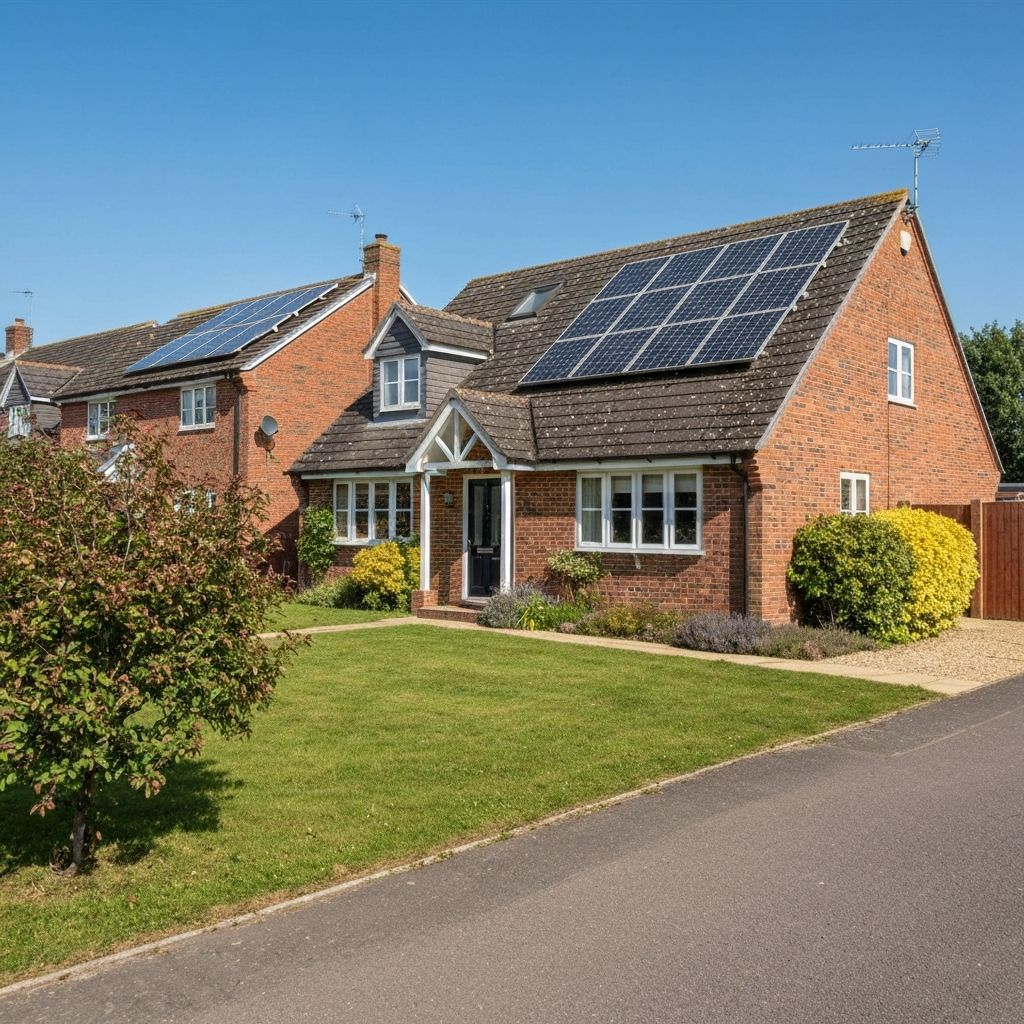
Understanding Your Energy Performance Certificate
An Energy Performance Certificate (EPC) is a document that tells you how energy-efficient a building is. It rates the property on a scale from A (most efficient) to G (least efficient), similar to the labels you see on household appliances.
The certificate includes information about a property's energy use, typical energy costs, and — crucially — recommendations for how to reduce energy consumption and save money.
EPCs are produced by qualified assessors who visit the property to evaluate its construction, insulation, heating systems, and more. The resulting certificate is valid for 10 years and is registered on a national database.
The average UK home is rated D. Properties rated F or G cannot be legally rented without a valid exemption under current MEES regulations.
Do You Need an EPC?
An EPC is a legal requirement in the UK whenever a property is built, sold, or rented
Selling a Property
You must have a valid EPC before marketing your property for sale. Estate agents cannot legally list your property without one.
Renting Out a Property
Landlords must provide an EPC to prospective tenants. Since April 2018, rental properties must have a minimum rating of E under MEES regulations.
Building a New Property
All newly constructed buildings must have an EPC produced by an approved assessor before they can be occupied.
Commercial Properties
Commercial buildings being sold, let, or constructed also require an EPC. Display Energy Certificates (DECs) are needed for public buildings over 250m².
Legal Requirement
Failing to provide an EPC when selling or letting a property can result in a fine of up to £200 for domestic properties and up to £5,000 for commercial properties. The certificate must be available to prospective buyers or tenants at the earliest opportunity.
Already Have an EPC?
Check if your property already has a valid Energy Performance Certificate using the official government register
Domestic EPC
Search the official government register to find an existing EPC for any residential property in England, Wales, and Northern Ireland. You'll be able to see the property's current energy rating, expiry date, and full certificate details.
Opens the official GOV.UK EPC register
Commercial EPC
Search for an existing non-domestic EPC for commercial, industrial, or public buildings. This covers offices, retail units, warehouses, and any property classified as non-residential.
Opens the official GOV.UK EPC register
Official Government Service
These links take you directly to the GOV.UK Energy Performance Certificate register, the official government service for finding and retrieving EPCs. The register is free to use and contains all EPCs lodged since 2008. If your property's EPC has expired or you need a new one, book an assessment with us from just £65.
What You'll Find on Your EPC
What Happens During an EPC Assessment?
A typical domestic assessment takes 30–60 minutes. Here's what your assessor will inspect.
Property Measurements
The assessor measures floor areas, room heights, and records the overall dimensions and layout of the property.
Insulation & Construction
Wall construction type (cavity, solid, timber), loft insulation depth, floor insulation, and double/triple glazing are all assessed.
Heating & Hot Water
Your boiler type, age, and efficiency are recorded along with radiator types, heating controls, and hot water system.
Lighting & Renewables
The percentage of low-energy lighting is recorded, plus any renewable energy sources like solar panels or heat pumps.
Ventilation
Natural and mechanical ventilation systems are noted, including extractor fans and any heat recovery systems.
Report & Registration
All data is entered into approved software to calculate the rating. Your EPC is lodged on the national register and emailed to you.
How to Boost Your EPC Score
Every EPC includes tailored recommendations. Here are the most effective improvements.
Upgrade Your Boiler
Replacing an old G-rated boiler with a modern A-rated condensing boiler can dramatically improve your rating.
Add Loft Insulation
Topping up loft insulation to 270mm is one of the cheapest and most effective improvements you can make.
Cavity Wall Insulation
If you have unfilled cavity walls, professional insulation can significantly reduce heat loss.
Double or Triple Glazing
Upgrading single glazing to double or triple glazing reduces heat loss through windows.
Install Solar Panels
Solar PV panels generate renewable electricity and can significantly boost your EPC rating.
Smart Heating Controls
Adding a room thermostat, programmer, and TRVs gives you better control and improves efficiency.
How Much Does an EPC Cost?
EPC costs vary depending on property type, size, and location. At Swift EPC we offer competitive, transparent pricing with no hidden fees.
Important Things to Know
How long is an EPC valid?
10 years from the date of issue. No need to renew unless it expires or you want an updated rating.
Who can carry out an EPC?
Only government-accredited Domestic Energy Assessors (DEAs) or commercial assessors. All Swift EPC assessors are fully accredited.
Is an EPC the same as a survey?
No. An EPC focuses solely on energy efficiency. A property survey assesses structural condition. They are separate reports.
Do listed buildings need an EPC?
Listed buildings are generally exempt from requiring an EPC, as many energy improvements could alter their character. However, this is assessed case by case.
Can I check if a property has an EPC?
Yes. You can search the national EPC register at gov.uk using the property address to find existing certificates.
Frequently Asked Questions
Got more questions about EPCs? Here are the answers to the most common ones.
QHow long is an EPC valid for?
An EPC is valid for 10 years from the date of issue. You don't need a new one each time you sell or let the property, as long as the existing certificate hasn't expired. However, if you've made significant energy improvements, getting a new EPC could result in a better rating.
QHow much does an EPC cost?
Domestic EPCs typically cost between £65–£120 depending on property size and location. Commercial EPCs start from around £150. At Swift EPC, our domestic assessments start from just £65 including VAT.
QWhat's the minimum EPC rating for rental properties?
Under the Minimum Energy Efficiency Standards (MEES), all privately rented properties in England and Wales must have an EPC rating of at least E. Landlords cannot grant a new tenancy for a property rated F or G unless they have a valid exemption registered.
QDo I need an EPC if I'm not selling or renting?
No. An EPC is only legally required when a property is being built, sold, or let. However, having one can still be useful — it provides valuable insight into your home's energy efficiency and potential cost savings.
QCan I improve my EPC rating?
Yes! Every EPC includes a list of recommended improvements. Common upgrades include adding insulation, upgrading your boiler, installing double glazing, or adding renewable energy systems. Some improvements are very cost-effective and can significantly increase your rating.
QWhat happens if I don't have an EPC?
If you market a property for sale or rent without a valid EPC, you could face a fine. For domestic properties, this can be up to £200. For commercial properties, fines range from £500 to £5,000 depending on the rateable value.
QDo I need to be home during the assessment?
Someone needs to be present to grant access to all areas of the property. This can be you, a tenant, or an authorised representative. The assessment typically takes 30–60 minutes for a domestic property.
QWhat's the difference between an EPC and a DEC?
An Energy Performance Certificate (EPC) rates a building's potential energy efficiency based on its fabric and systems. A Display Energy Certificate (DEC) rates the actual energy usage of a public building. DECs are required for public buildings over 250m² and must be displayed prominently.